

Who Dieter Rams is, why his principles remain a benchmark for good design, and how we see them reflected in the way Emobok works.
WHO IS DIETER RAMS
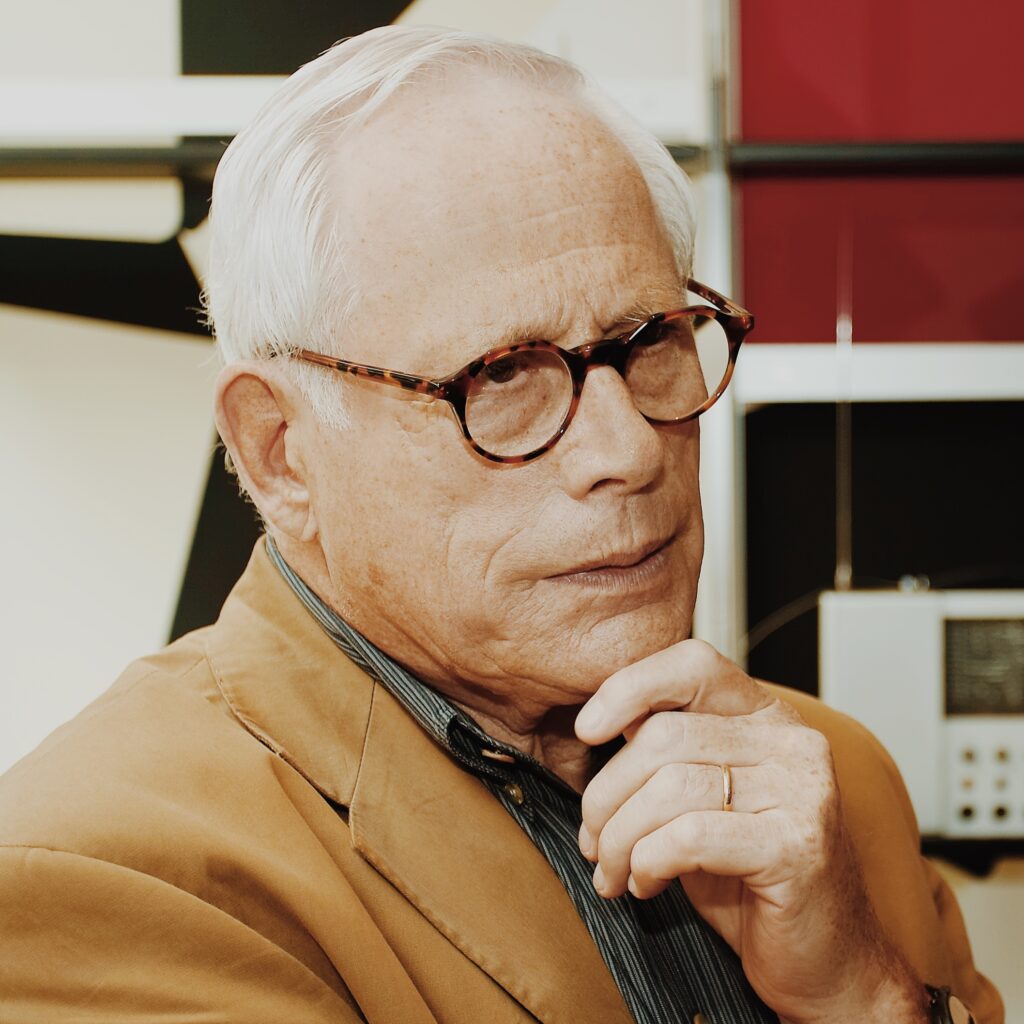
With more than sixty years of experience designing objects for everyday life, Dieter Rams is one of the most influential figures in the field. As Braun’s Head of Design for almost three decades, he was responsible for some of the most studied products of the 20th century: calculators, audio equipment and household appliances that remain benchmarks at leading design schools around the world.
What makes Rams unique is not only the quality of his designs, but the consistency between the way he thought and the way he produced. At Braun, he had direct control over the process, from the initial concept to the finished product. This close relationship between design and manufacturing prevents quality standards from being diluted along the way; it ensures that what is envisioned and what is ultimately produced are genuinely the same thing.
In the late 1970s, concerned about the visual saturation and consumerism beginning to dominate the industry, Rams asked himself whether his own work was truly “good design”. This reflection led to his ten principles, first formulated in the late 1970s, which have since become one of the most widely referenced frameworks in contemporary design.
What is remarkable is not simply that these principles were established, but that they remain just as relevant today.
Did you know?
Dieter Rams designed the 606 Universal Shelving System for Vitsœ in 1960. To this day, it has remained in production without a single modification.
In design, that says it all.
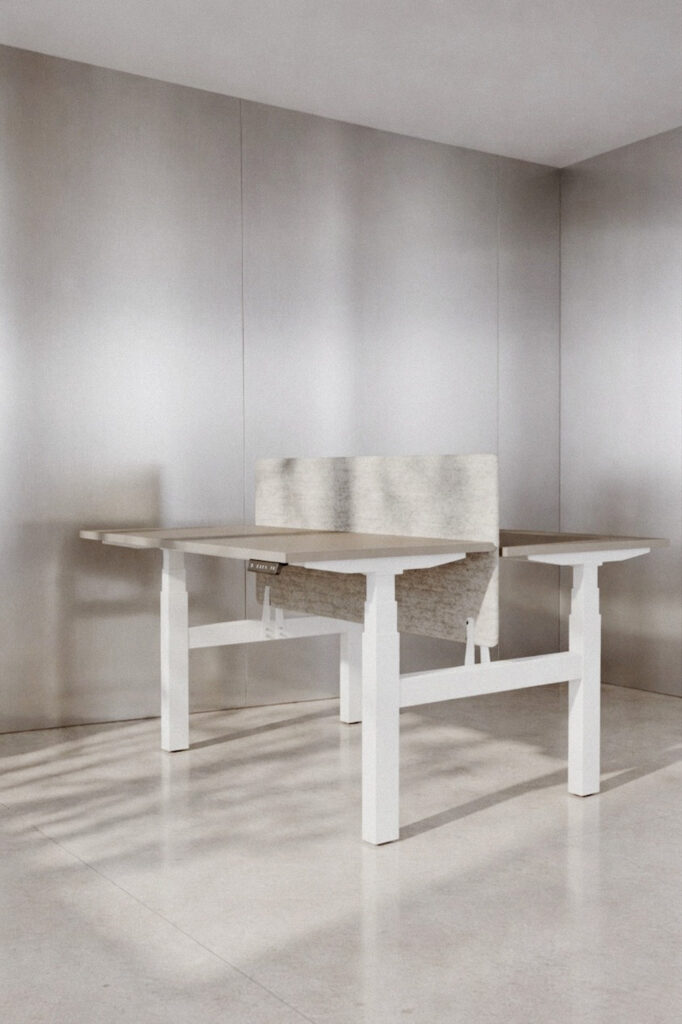
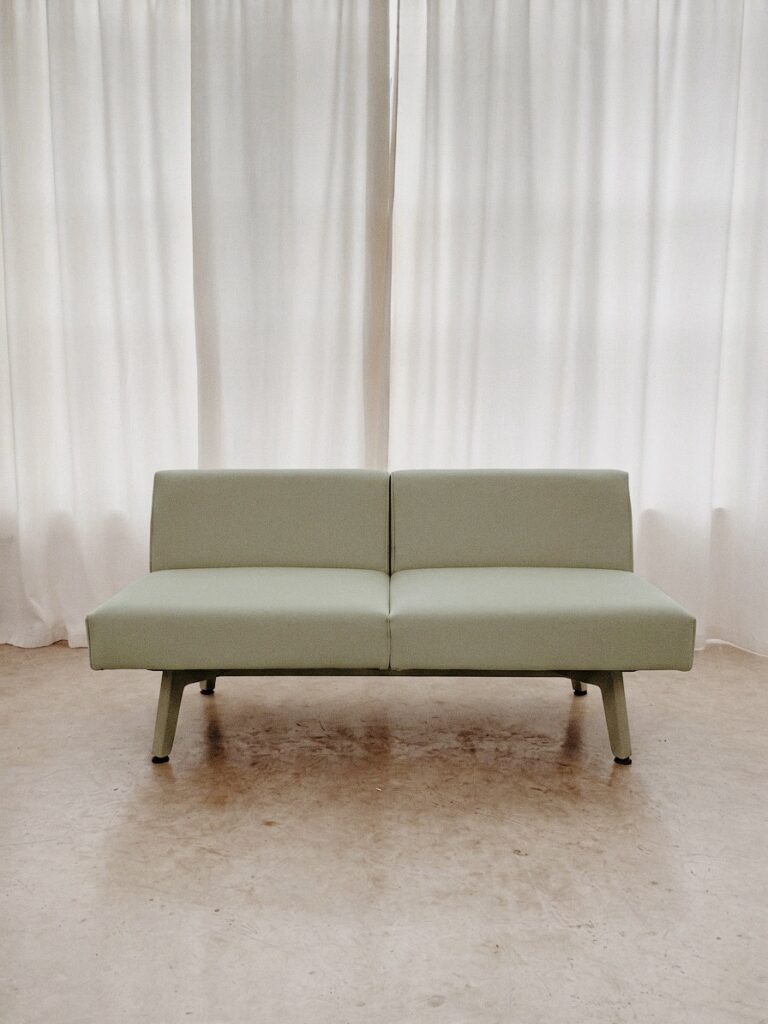
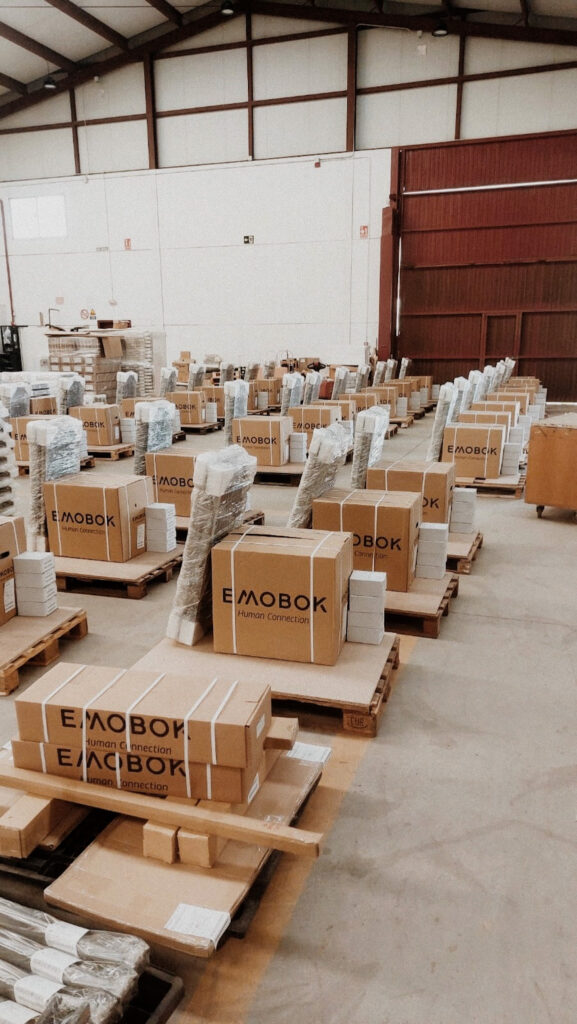
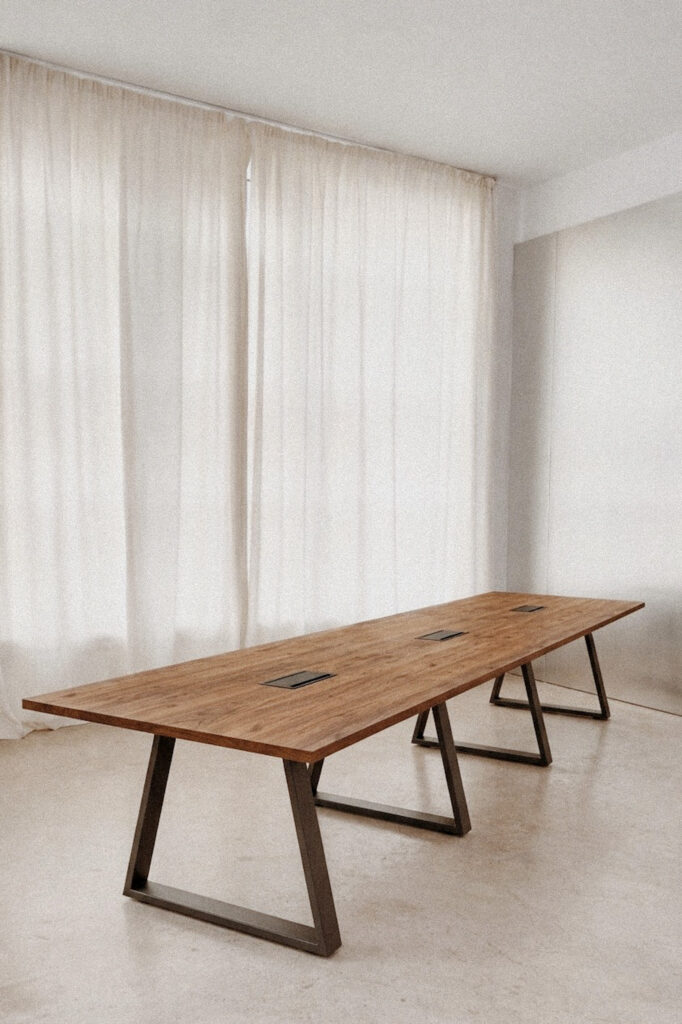
At Emobok, we design and manufacture: we oversee each product from the very first line to the moment it reaches its destination. We see these ten principles not as an imposed goal, but as confirmation that the path we have chosen has a name and a history.
Let’s explore them one by one:
HOW WE APPLY THE 10 PRINCIPLES OF GOOD DESIGN
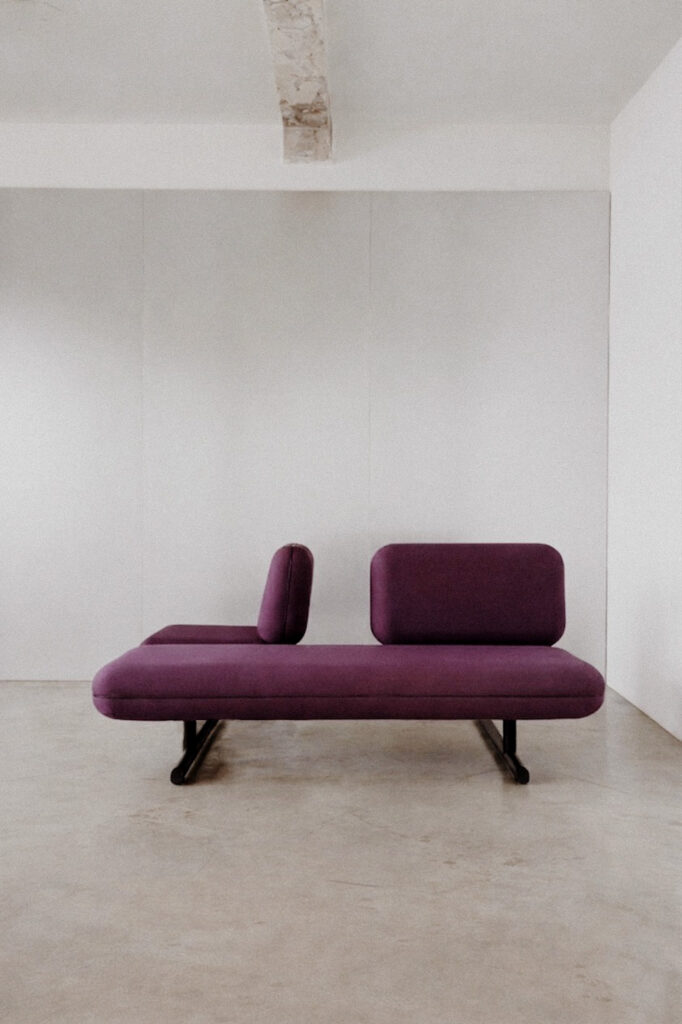
We reinvent the way we see space. Innovation does not mean adding more. It means finding smarter, more functional solutions. At Emobok, every new project begins by questioning what already exists, exploring how a workspace can perform better without compromising anything essential.
Design guided by purpose. Every piece we create has a clear objective. When function guides every design decision, the result is a workspace that flows naturally: free from friction, unnecessary elements and objects that demand more attention than they deserve.
Refined, timeless forms. A well-designed workspace is never neutral: it affects how you feel, shapes your mindset and inspires you. We take aesthetics seriously because we believe beauty and efficiency do not compete — they reinforce each other.
Design that speaks for itself. The best design needs no explanation. We aim for every piece to communicate its function intuitively, so that users understand how it works before they even touch it. When complexity feels simple, design has done its job.
An aesthetic of clarity. The best objects to work with are those that do not distract. We create pieces where beauty and focus coexist. Being unobtrusive does not mean lacking character: the object fulfils its purpose, integrates naturally into the space and, without imposing itself, enhances the experience of those who use it.
A commitment to authenticity. Behind every Emobok piece lies a promise. Genuine materials, finishes that are true to themselves and structures with nothing to hide. Honesty begins in the creation process and continues throughout the life of the design.
Timeless engineering: an investment in the future. We design our pieces to age well, not to become obsolete after a season. Durability is not just a material quality; it is an approach to consumption. We believe in “planned longevity”. Manufacturing our own products allows us to ensure that this standard is never compromised.
Precision in every line. No detail is too small. The angle of a joint, the texture of a surface or the weight of a finish: every decision matters. Keeping the process in-house allows us to see it through to the end without compromising on execution.
Zero Pollution: Our Way of Working. Sustainability is not a requirement to tick off a list; it is the philosophy that shapes our decisions. Every material and every process goes through the same filter: can we do this with less impact? Rams already saw its importance in 1978. We put it into practice today.
Only what is essential. But better. The tenth principle is perhaps the most difficult. Removing everything unnecessary requires more conviction than adding more. At Emobok, we believe in design with a distinctive touch: just enough to make something memorable, without anything superfluous.
Ten principles. Almost fifty years of relevance. One vision. At Emobok, good design is not a goal to achieve; it is the standard we build from.

