The personality of a space is woven into its fabric, too.

The personality of a space is woven into its fabric, too.
Some materials can completely change the way we experience a space without altering its architecture. Fabrics are one of them.
A texture, a combination of colours or the way light falls on a surface can transform the character of a piece of furniture and, with it, the atmosphere around it.
In interior design, textiles have a unique ability to give a space its own identity. They can soften an interior defined by strong lines, introduce contrast or create a visual connection between different elements.
But beyond these creative possibilities lies a question that deserves just as much attention as aesthetics: are we choosing the right fabrics for the way these spaces will be used?
How a space ages is part of the design, too.
Aesthetics shouldn’t be the only consideration.
Imagine two very different spaces: a waiting area used by dozens of people every day and a private office where the furniture sees more occasional use.
Both may share the same design language, but their performance requirements are unlikely to be the same.
Frequency of use, constant contact, maintenance needs and exposure to light can all affect how upholstery performs over time.
This is where working with materials becomes particularly interesting: understanding that every fabric has its own qualities, and that knowing them opens up new design possibilities.
It’s not about compromising on texture or colour for practical reasons, but about finding the right balance between what we want to express and what the space truly needs.
When designing a space, we tend to imagine how it will look once completed. Yet we rarely consider how its materials will age after years of use.
The right fabric, combined with proper care, can help furniture retain its appearance and functionality for longer.
This perspective brings an important idea into focus: durability is also a design decision.
Choosing materials with their lifespan in mind goes beyond the product itself. It also reflects a more thoughtful approach to using resources, helping to avoid unnecessary refurbishment and premature replacement.
Good design is about making the right choices.
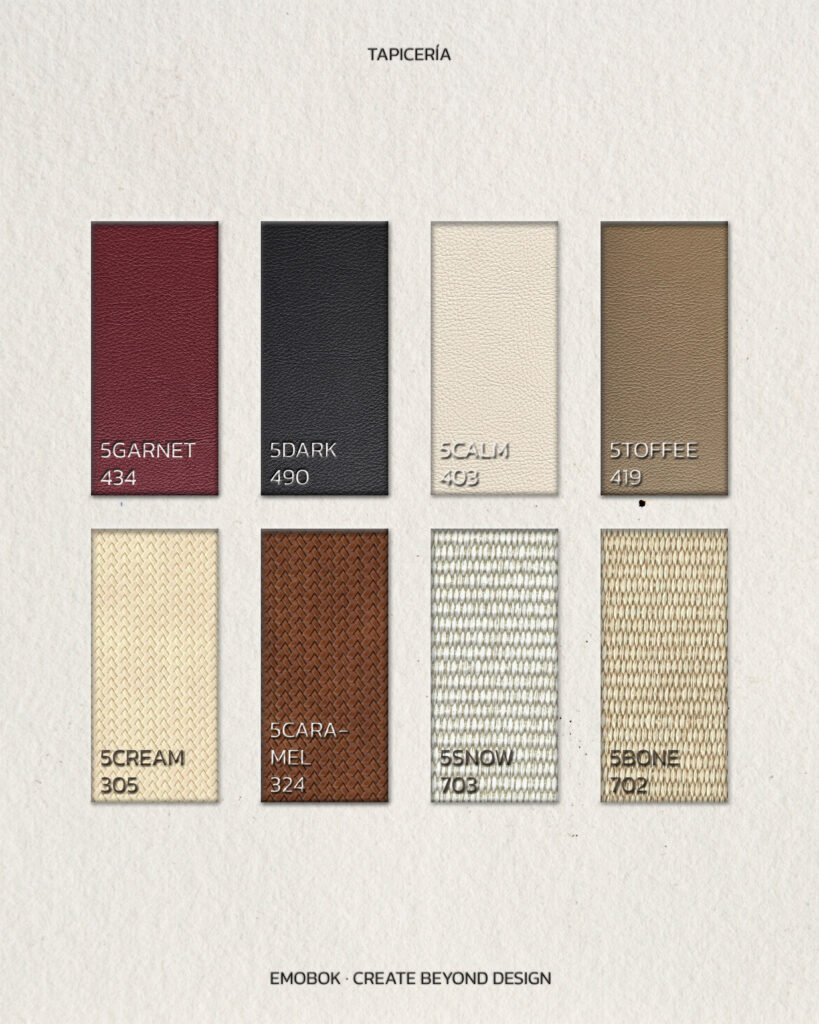
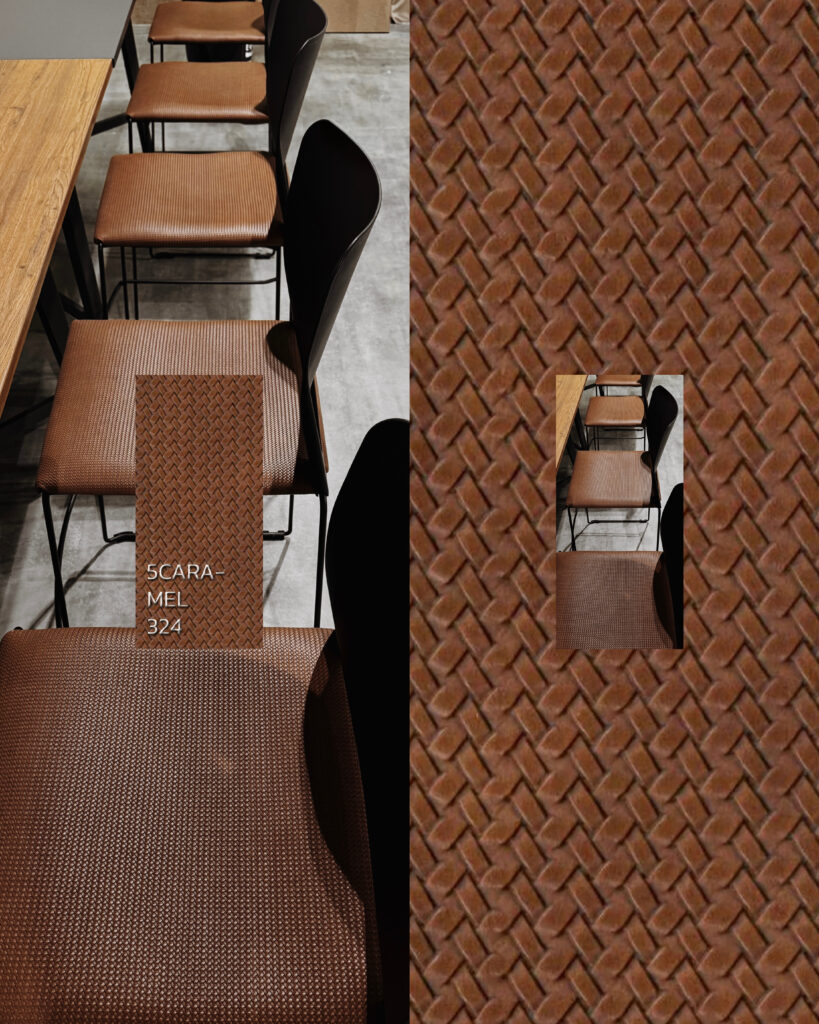
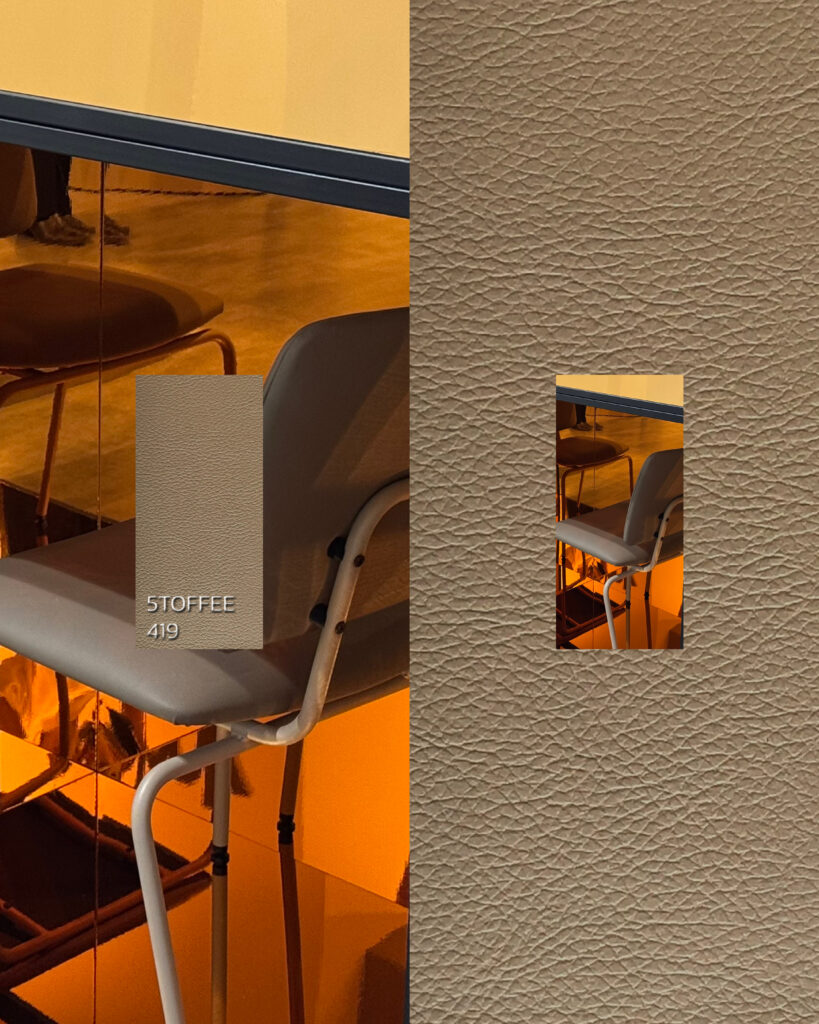
The beauty of textiles lies in their diversity. Different compositions, weaves, textures and colours allow the same design to be interpreted in countless ways.
Yet having more options also comes with the responsibility of making thoughtful choices.
Perhaps this is one of the less visible, yet most important, aspects of working with materials: understanding that the beauty of a space is not just about how it looks, but also how it responds to the needs of those who use it.
Because good design should do more than make an impression at first glance. It should continue to make sense over time.
Discover the full potential of our upholstery collection and explore the wide range of colours, textures and finishes available in our Digital Sample Catalogue.